

Industries Use Flex Circuits
A flex circuit is a flexible printed circuit board (PCB) that combines the advantages of rigid and traditional PCBs to fit into a more compact and ergonomic design. Its unique properties make it ideal for numerous industries including electronics, automotive, and military. The main reason a flex circuit is popular in these sectors is due to its ability to reduce the amount of wiring in the final product. This reduction in wires reduces assembly costs and lowers the likelihood of human error that occurs when wiring mistakes are made.
Flex circuits can be fabricated in many different shapes and sizes to suit the needs of specific applications. It is important to find a manufacturer that can provide you with the right shape and size for your particular application. If you do not, you could run into problems during the post-production phase.
During the 1990s, consumer electronics began to grow rapidly, and a new need for lighter and smaller electrical components became apparent. As a result, the development of flexible printed circuit boards began to take off. These flexible PCBs have helped to improve the durability, efficiency, and flexibility of electronic devices.
The first flex PCB most people think of is the connector between the keyboard and screen on a laptop or flip phone. However, this is just one of many flex circuits found in modern consumer electronics. They are also used in printers, cellular phones, and other portable devices. In addition to the increased reliability and durability of flex circuits, they are also much more affordable than conventional ribbon connectors.
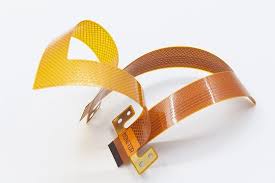
What Industries Use Flex Circuits?
When you are looking for a flex circuit manufacturer, it is essential to find a company that provides the quality and service you need. Choosing the right company can save you time and money in the long run. Moreover, they can help you avoid costly errors by providing prototypes before production. This way, you can see if the finished product meets your specifications.
Single-sided flex circuits feature one layer of conductors on each side of the circuit. They can be fabricated with or without plated through holes, though the plated through hole version is most common. Double-sided flex circuits can have the protective coverlayer on one, both, or neither side of the completed circuit.
Polymer thick film (PTF) flex circuits are constructed from a base material that is flexible and printable with thin layers of metal and insulator printed on top of each other. This type of flex circuit offers better conductivity than single-sided flex circuits, but they are still best suited for low power and low voltage applications.
Flex circuits are well-suited for the Internet of Things (IoT) ecosystem, as they can be used to create a range of connected devices including smart home gadgets and industrial sensors. They are also useful for building medical wearables and implantable devices like endoscopes that can be shaped to fit the body’s cavities.


